
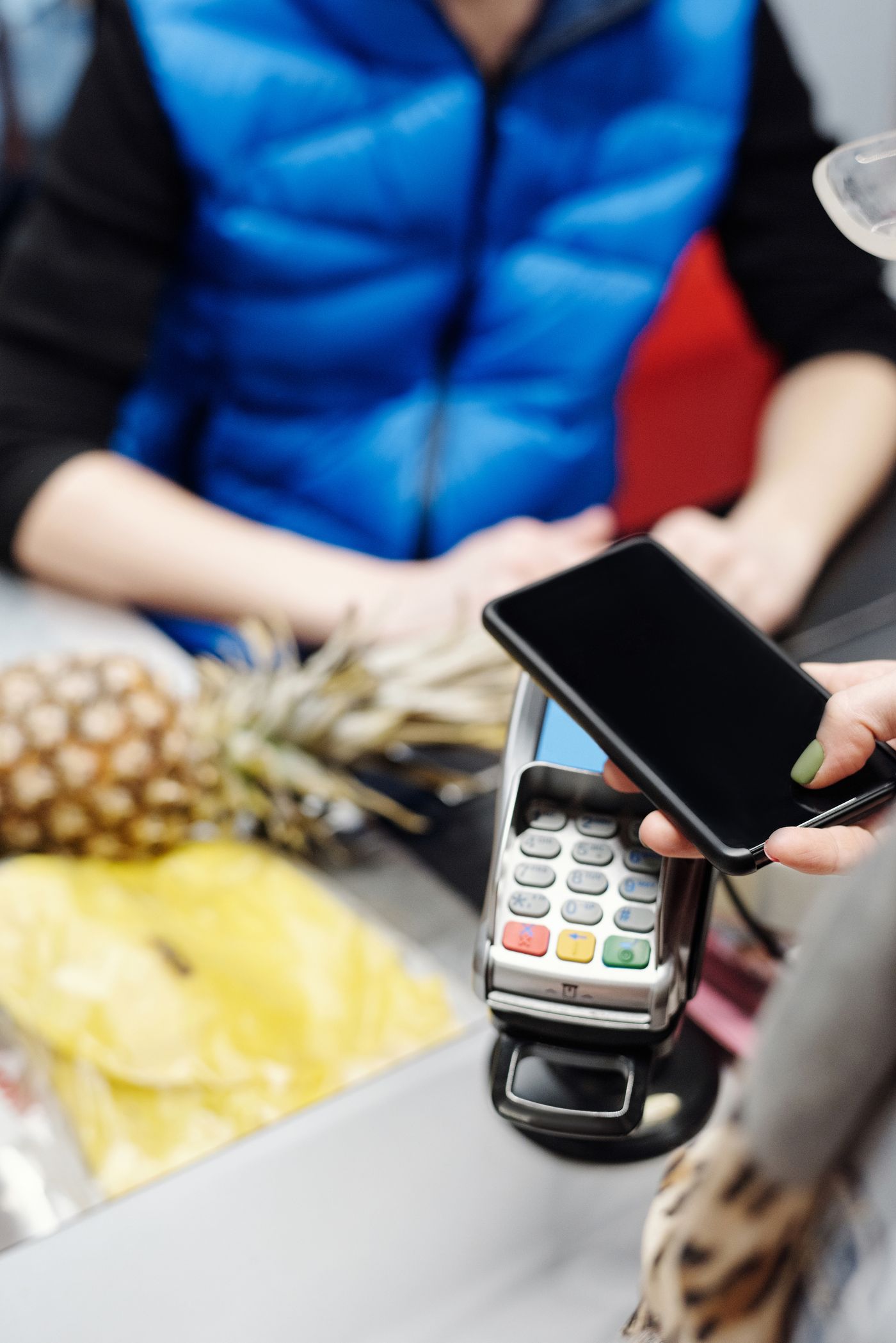
Beyond Business Cards: Where Tap Experiences Are Going Next
NFC cards are only one part of a larger shift: physical objects becoming entry points into digital workflows. Once you see the card as a tappable bridge between the real and digital worlds, the same idea starts to make sense on packaging, in venues, and across everyday products — anywhere a clear next step is worth one tap away.
Quick answer
NFC business cards are an early example of a bigger shift: physical objects becoming entry points into digital workflows. The same tap that opens a profile can open an authenticity check on packaging, a Wi-Fi connection in a hotel, a menu in a cafe, or a warranty flow on a product. The winning experiences all share one trait — a tap means exactly one clear next step, not a maze of options. Simplicity is the feature.
Products can explain themselves
A tap on packaging can open an authenticity check, a usage guide, a warranty registration, a refill page, or direct customer support. Instead of cramming a product box with printed instructions and QR codes, a single embedded tap point can route the owner to whatever is most useful at that moment. For brands, this turns a static package into an ongoing channel: the same object that sold the product can support it, upsell refills, and confirm it is genuine, long after purchase.
Venues can guide people faster
Hotels, offices, cafes, and event spaces can use NFC to open menus, maps, Wi-Fi access, feedback forms, and service requests. A guest taps a tag on the desk and connects to Wi-Fi without hunting for a password; a diner taps a table and the menu appears; a visitor taps a sign and gets directions. The physical environment becomes self-serve without adding screens or clutter, and staff are freed from answering the same handful of questions all day.
The phygital layer is quiet by design
What makes these experiences powerful is that they are invisible until needed. There is no app to install, no account to create, and often no visible technology at all — just an object you can tap. This quietness is the point: the digital layer sits underneath the physical world and surfaces only at the moment of intent. As more objects gain a tappable identity, the friction of getting from a thing in your hand to the action you want will keep shrinking toward zero.
The winning experiences stay simple
Across every use case, the same rule holds: the technology is strongest when the action is obvious. A tap should mean one clear next step, not a confusing menu of possibilities. The products and venues that win with NFC are the ones that resist the urge to do everything at once and instead make each tap resolve a single, well-chosen intent. Simplicity is not a limitation here — it is the entire reason the experience feels effortless.
Frequently asked questions
What can NFC be used for besides business cards?
Plenty — product authenticity checks, warranty and refill flows, hotel and cafe menus, Wi-Fi access, feedback forms, and service requests. Any object can become a one-tap entry point to a digital action.
What is a phygital experience?
Phygital describes physical objects that connect to digital actions — like tapping a package to verify it or a table to open a menu. NFC is one of the main technologies enabling it.
Do these tap experiences need an app?
Usually not. Most NFC interactions open a web page directly, with no app or account required, which is a large part of why they feel effortless.