
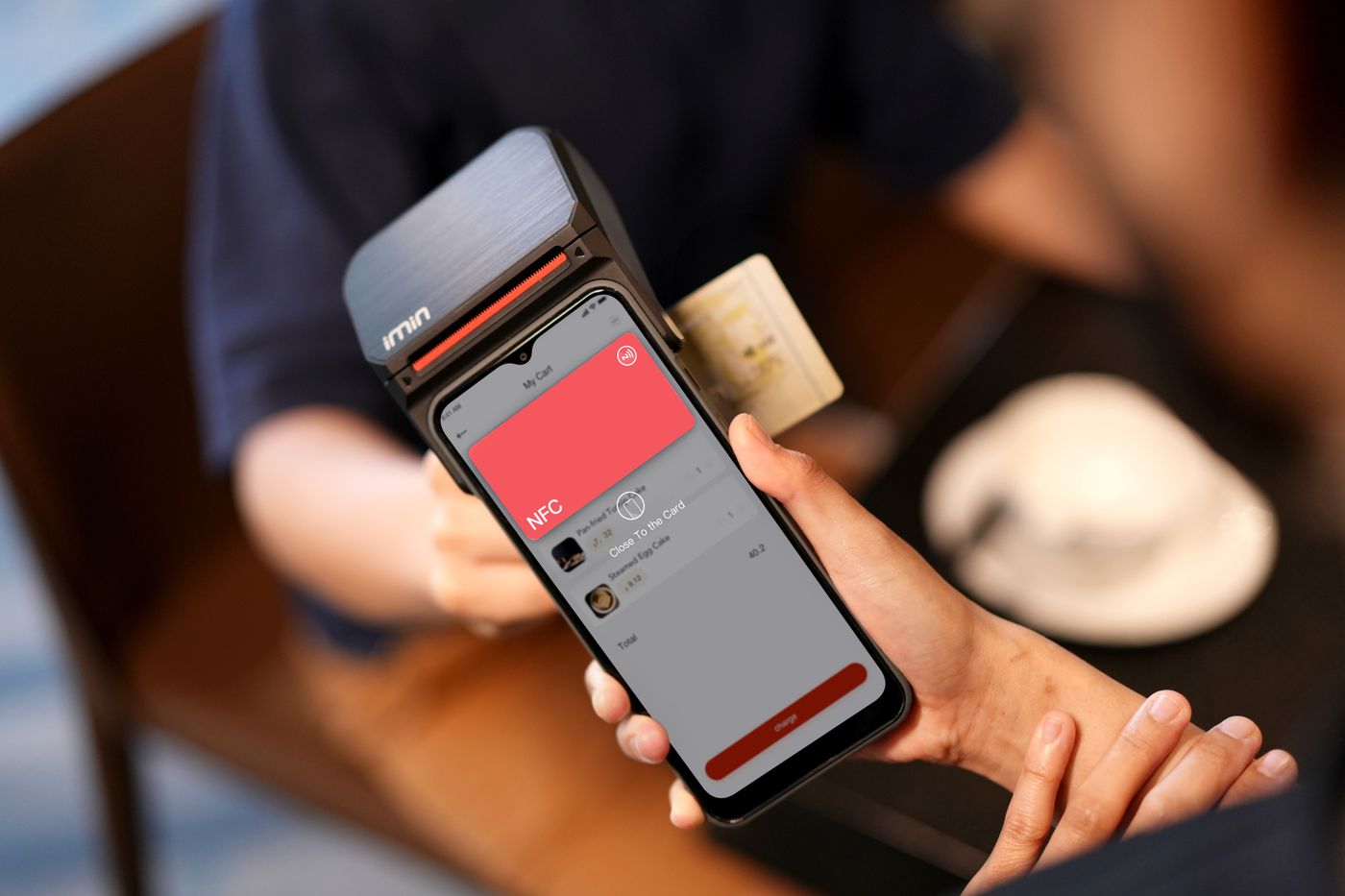
NFC Business Cards vs QR Cards: What Changes in the Real Handoff
QR codes and NFC cards can both send someone to a digital profile. The real difference is how the moment feels when you are standing in front of another person, mid-conversation, with seconds to make an impression. That moment — the handoff — is where tapping and scanning diverge, and where most decisions about which to use are actually won or lost.
Quick answer
QR codes and NFC cards both open a digital profile, but the handoff feels different. NFC starts the action the instant the card touches a phone, with nothing to aim or focus. QR codes need the other person to open a camera and frame a code, which adds friction in fast or low-light moments. For most in-person networking, an NFC tap is smoother — but the result still depends on the profile the card opens, not the card itself.
The main difference is intent and friction
QR codes are visible and useful, but they still ask the other person to do a small task: unlock the phone, open the camera, hold it steady, wait for focus, and tap a banner. Each step is tiny, but together they break eye contact and slow the conversation. NFC removes almost all of that. The card starts the action the moment it touches the phone, so the interaction feels direct and physical rather than like scanning a poster. In a busy room or poor lighting, that difference is the gap between a saved contact and a lost one.
NFC cards can stay updated; paper cannot
A printed card becomes outdated the instant your phone number, title, links, or offer changes — and you cannot recall the cards already in people's wallets. A digital profile behind an NFC card can be edited at any time without printing again, so the same physical card keeps pointing at current information for years. This is the single biggest practical advantage: you are not paying to reprint every time something changes, and nobody reaches a dead link or an old role.
The destination decides the result
Both NFC and QR are just ways to open a link. The result of the handoff is decided by what loads next. A strong profile shows who you are, what you do, and one clear next step within the first screen. A weak profile buries the visitor in options or loads slowly, and the advantage of a fast tap is wasted. Treat the card as the trigger and the profile as the product — invest your attention in the page, not the plastic.
When to use each — and why most cards use both
Use NFC for one-to-one, in-person moments where speed and polish matter: meetings, sales calls, and introductions. Use QR for one-to-many situations where people scan from a distance — a slide, a poster, a table tent, or a screen. The two are not rivals; the best cards print a QR code alongside the NFC chip so anyone can reach the same profile whether they tap or scan. That redundancy means no contact is ever blocked by a phone that cannot tap.
Frequently asked questions
Is an NFC business card better than a QR code?
For in-person, one-to-one networking, NFC is usually smoother because a tap needs no camera, focus, or aiming. QR codes are better when many people scan from a distance. Most quality cards include both.
Do you need an app to use an NFC business card?
No. The person receiving your tap does not need an app — most modern phones open the link automatically. You may use an app or dashboard to edit your own profile.
What happens if someone's phone can't tap?
A well-designed NFC card also carries a QR code and a short link, so anyone can reach the same profile by scanning or typing instead of tapping.